

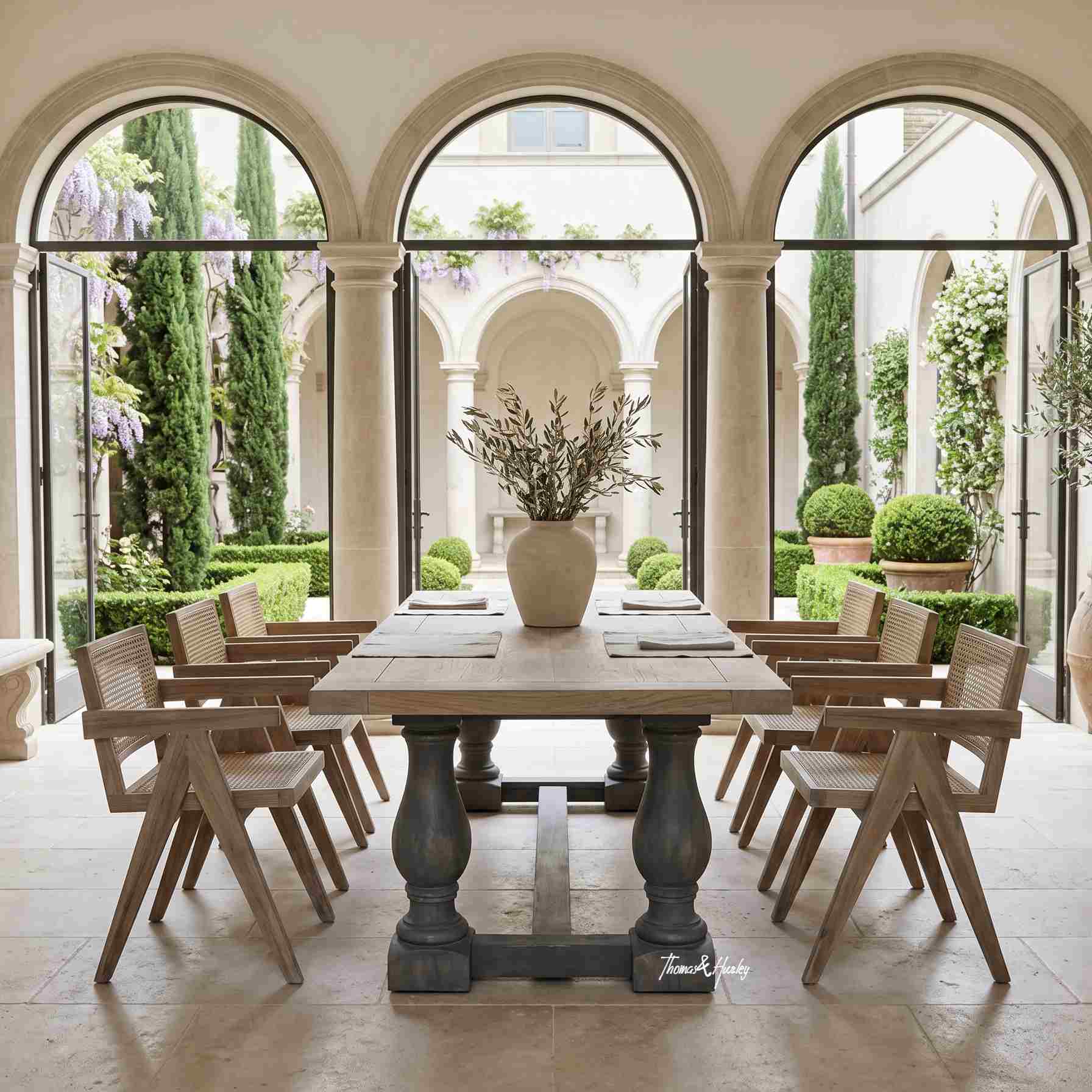
Choosing the perfect dining table is only part of creating a beautiful dining space. Just as important is knowing how many chairs your table can comfortably accommodate without making the room feel crowded.
Whether you're furnishing a growing family home or creating a space designed for entertaining, understanding dining table proportions helps ensure your room feels both functional and inviting.
At Thomas and Hurley, one of the most common questions we hear is, "How many dining chairs will fit around my table?" While the answer depends on the table's size and shape, a few simple guidelines can help you plan with confidence.
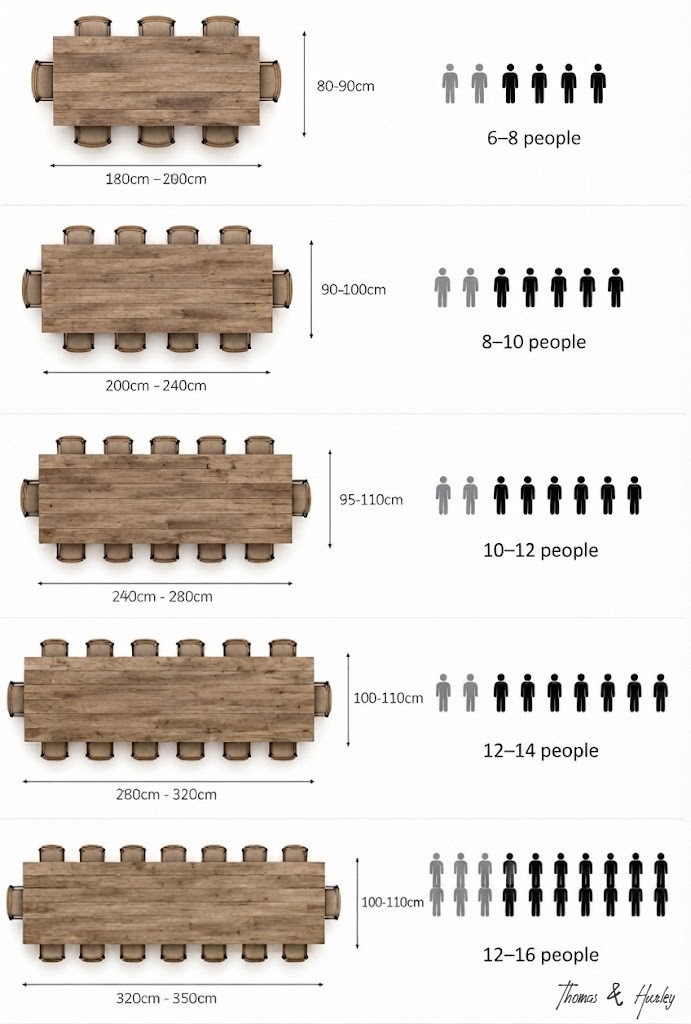
Choosing the Right Dining Table Size
Before selecting dining chairs, it's important to consider how many people you'll seat on a daily basis, as well as how often you entertain.
The right dining table should comfortably accommodate everyday meals while providing enough flexibility for family gatherings and special occasions.
As a general guide:
|
Dining Table Length |
Comfortable Seating |
|
180cm–200cm |
6–8 people |
|
200cm–240cm |
8–10 people |
|
240cm–280cm |
10–12 people |
|
280cm–320cm |
12–14 people |
|
320cm–350cm |
12–16 people |
These measurements provide a practical starting point when planning your dining room, although chair size, table leg placement, and chair width may influence overall capacity.
How Much Space Should You Leave Around a Dining Table?
This is one of the most frequently asked questions when planning a dining room.
No matter how many people your table can seat, allowing enough room around it is just as important.
As a general guide, interior designers recommend allowing:
- Approximately 50cm to 75cm between the dining chair and the wall behind it.
- Around 75cm to 100cm of clearance in higher traffic areas or walkways.
This allows guests to comfortably pull chairs out, sit down, and move around the room without feeling restricted.
Thoughtful spacing creates a dining room that feels open, welcoming, and effortless to use every day.
According to Architectural Digest, thoughtful furniture placement and circulation are among the most important considerations when designing a functional dining space, particularly in homes where every centimetre counts.
Why Choose an Extendable Dining Table?
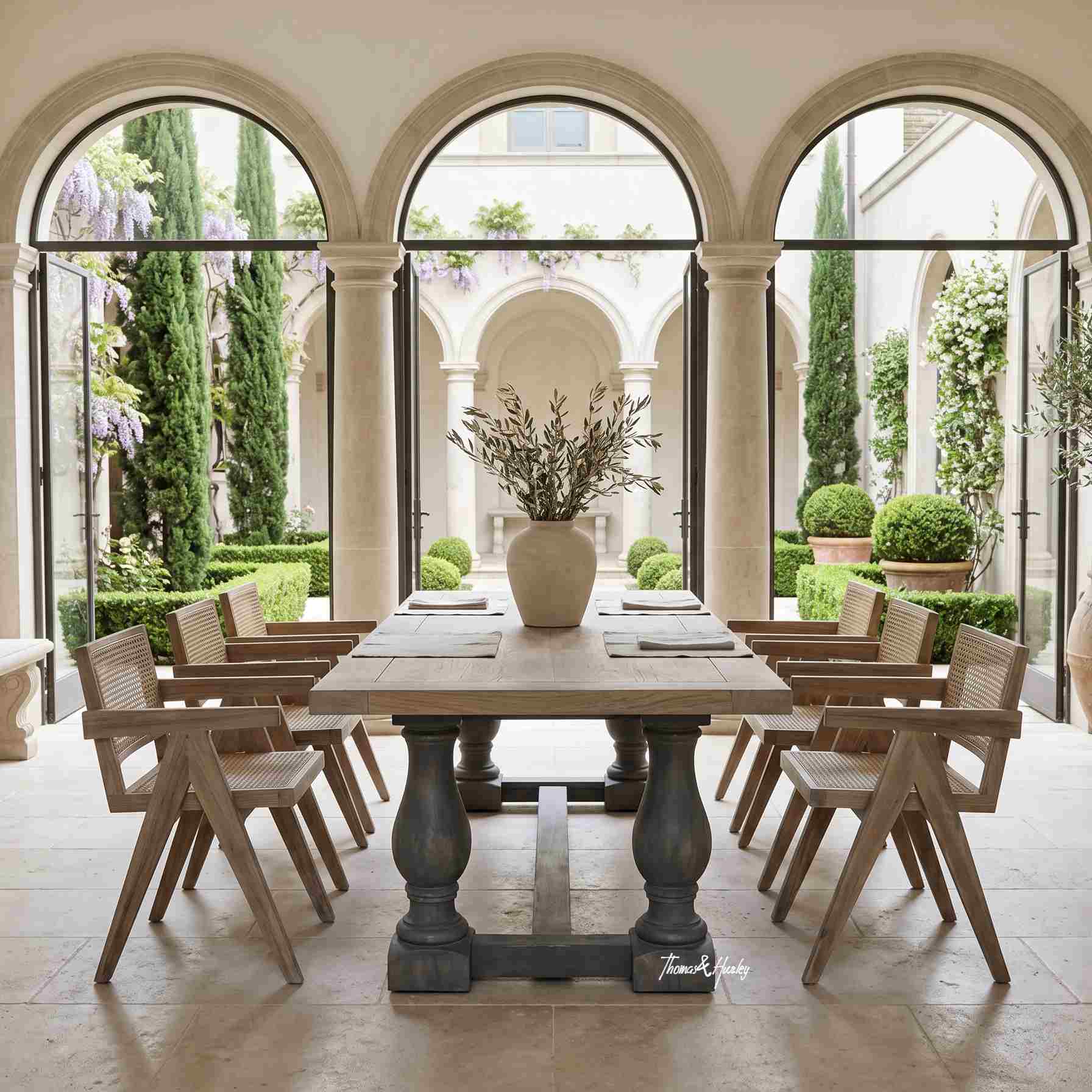
If you enjoy entertaining but don't want a large dining table taking up unnecessary space every day, an extendable dining table offers the perfect solution.
An extendable dining table allows you to enjoy a more open and spacious dining room for everyday living while providing additional seating when family and friends come together for special occasions.
The Darcy Oak Parquetry Double Extension Dining Table is a timeless choice, combining solid oak craftsmanship with the flexibility modern homes demand.
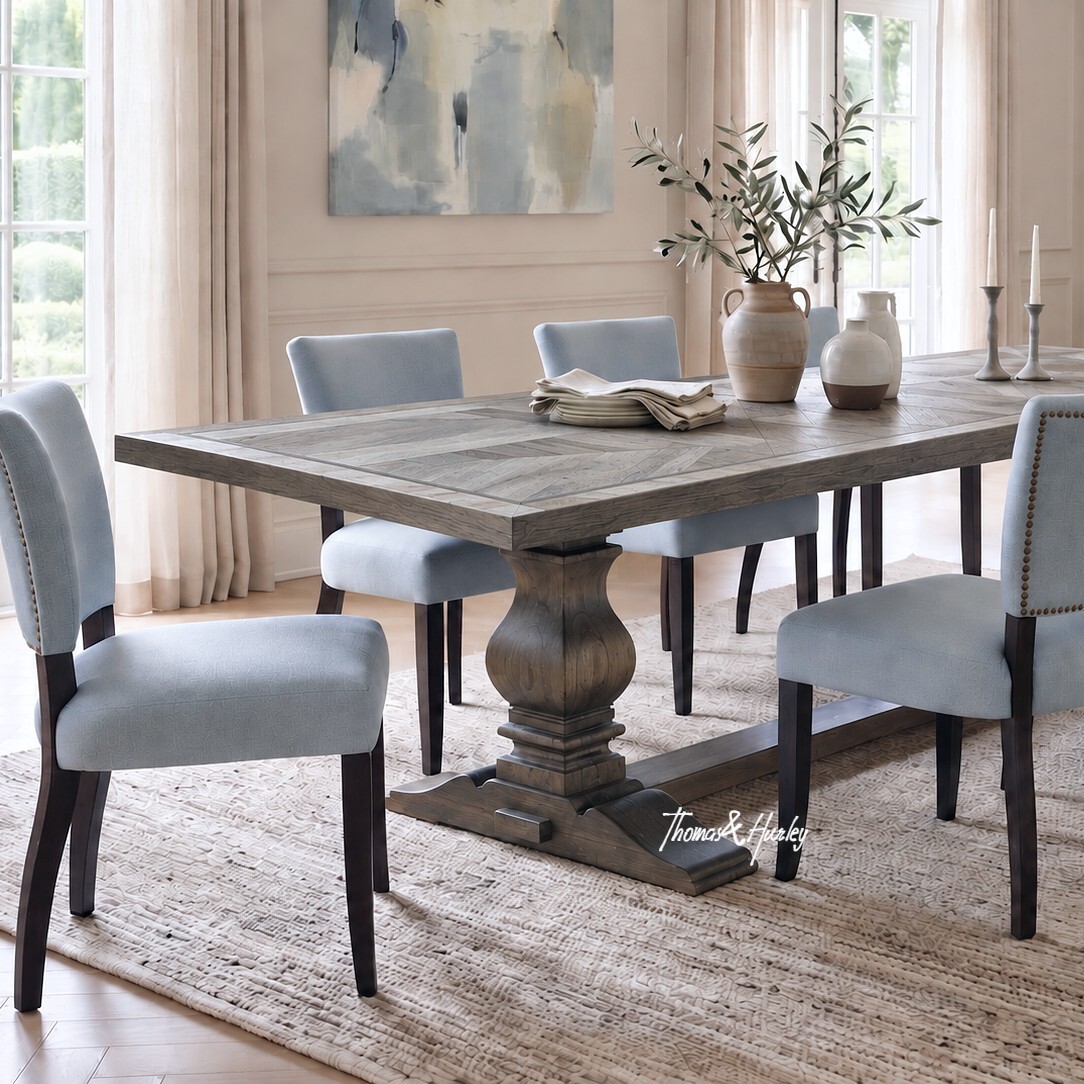
For larger gatherings, the Quinn Double Extension Dining Table offers generous seating while maintaining a refined contemporary aesthetic.
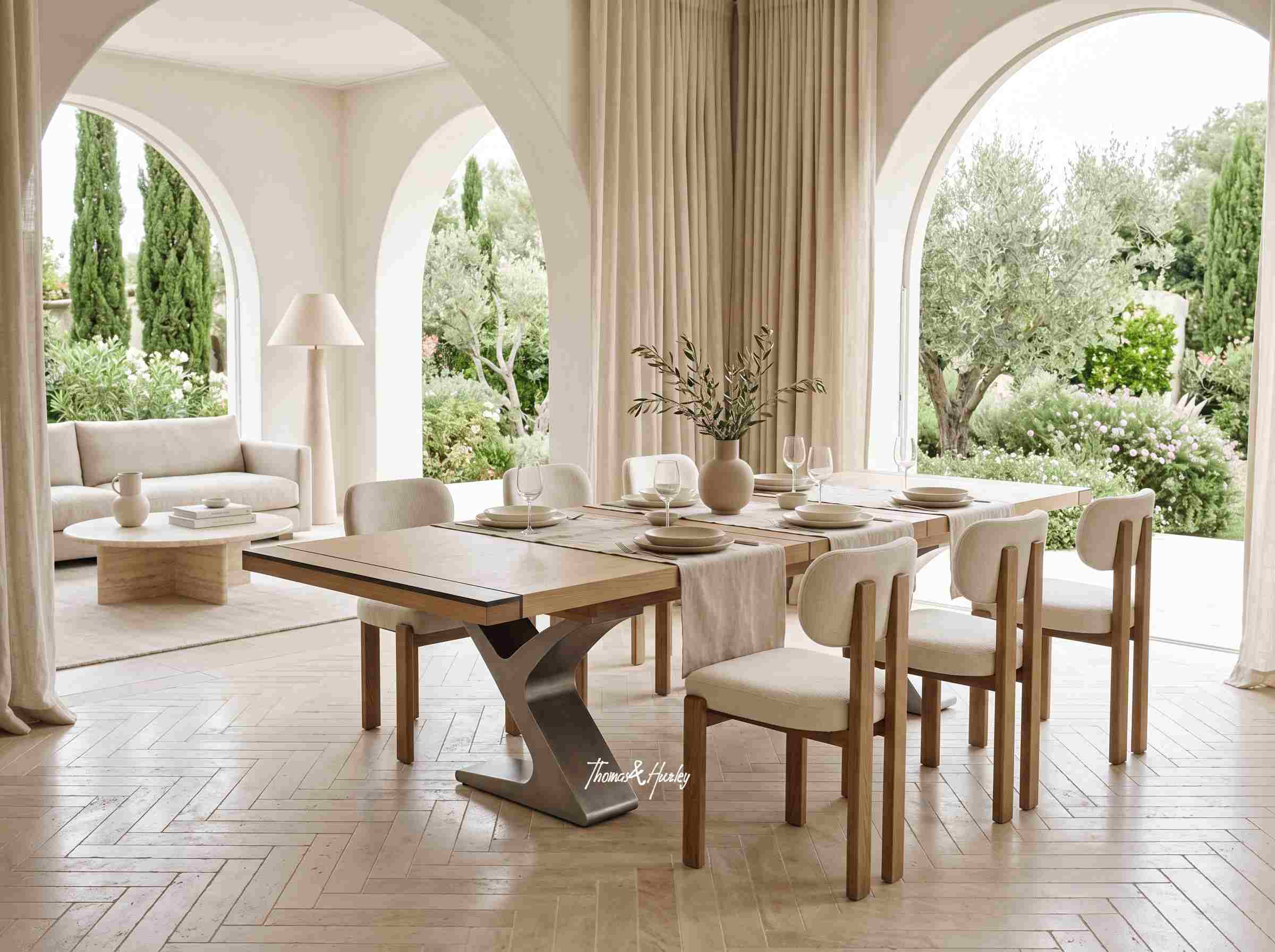
Whether you're hosting Christmas lunch, celebrating milestones, or simply welcoming extra guests, an extendable dining table gives you the flexibility to adapt your space without compromising on everyday comfort.
Does the Type of Dining Chair Matter?
Absolutely.
Not all dining chairs require the same amount of space.
Slim timber framed chairs generally allow for slightly more seating than generously upholstered designs with wide arms.
The Argent Dining Chair features a refined silhouette that comfortably suits both contemporary and classic dining tables while allowing generous seating around the table.
For those looking to create a timeless Australian dining room, the Windsor Dining Chair combines traditional craftsmanship with everyday comfort, making it equally suited to casual family dining and formal entertaining.
Choosing the Right Table Shape
Table shape can make just as much difference as table size.
Rectangular dining tables are ideal for larger rooms and frequently accommodate the greatest number of guests.
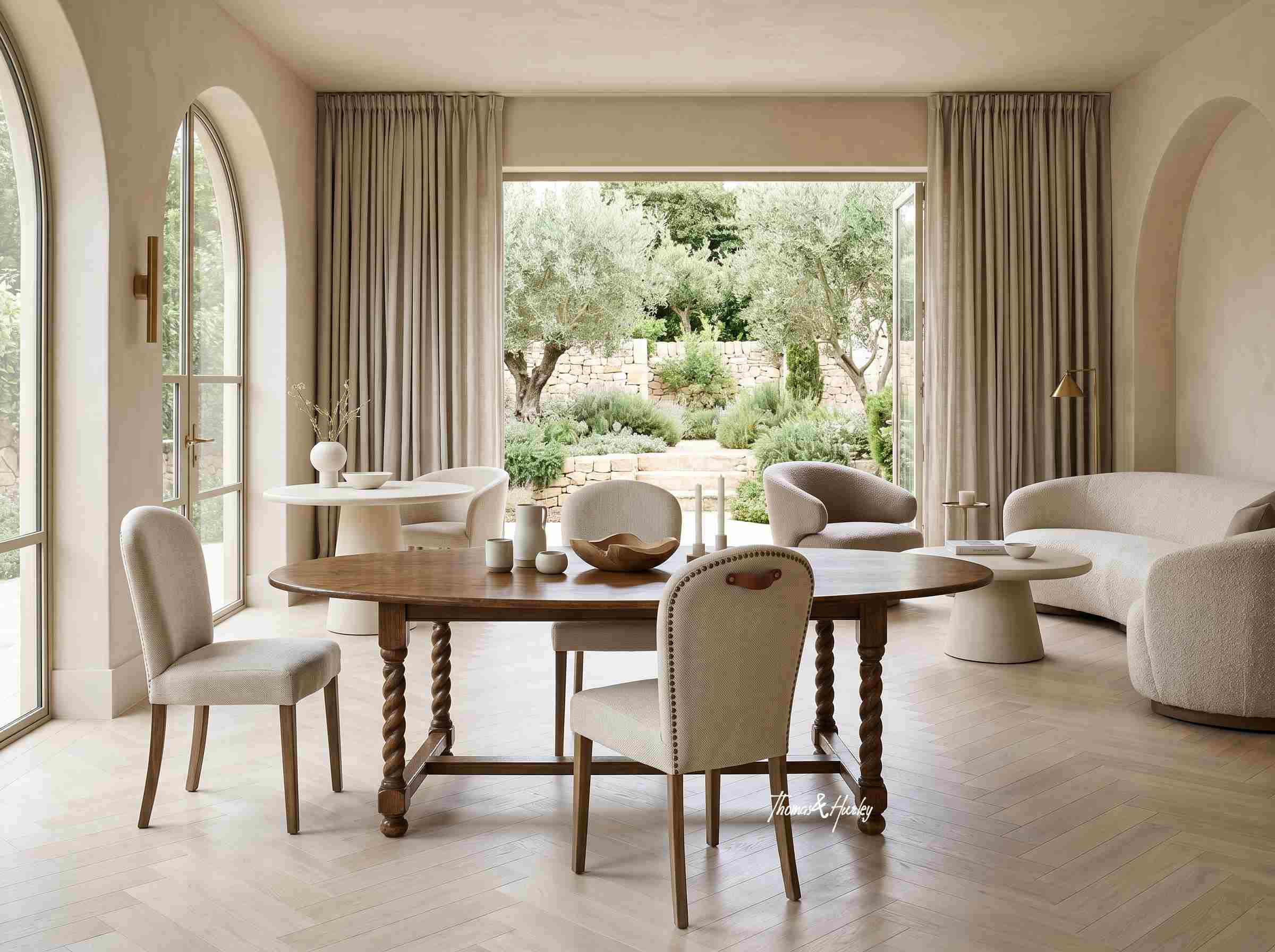
Oval dining tables soften the room visually while improving movement around the space, making them particularly popular in contemporary Australian homes.
The Churchill Barley Twist Oval Drop Leaf Extending Table combines classic detailing with practical flexibility, making it an excellent option for homeowners wanting both style and versatility.
Don't Forget About Storage
Dining rooms often require more than simply a table and chairs.
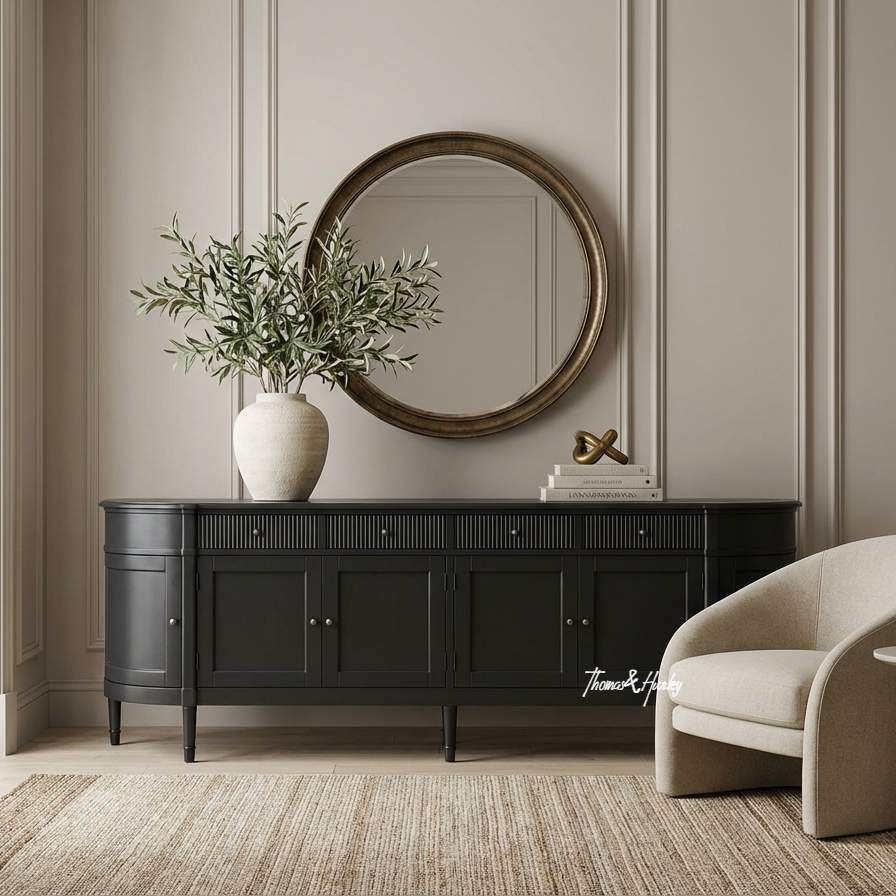
Buffets and sideboards provide valuable storage for dinnerware, serving pieces, glassware, and table linen while helping complete the overall look of the room.
Before selecting a buffet, measure the available wall space and ensure there is still comfortable room to move around the furniture.
The Louis Buffet offers generous storage while creating a sophisticated focal point that complements both contemporary and classic interiors.
Frequently Asked Questions About Dining Table Seating
Q: How many chairs fit around a dining table? |
| A: It depends on the table's length. As a general guide, a 180cm to 200cm table seats 6 to 8 people, a 200cm to 240cm table seats 8 to 10, a 240cm to 280cm table seats 10 to 12, a 280cm to 320cm table seats 12 to 14, and a 320cm to 350cm table seats 12 to 16. |
Q: How much space should I leave around a dining table? |
| A: Allow approximately 50cm to 75cm between the dining chair and the wall behind it, and around 75cm to 100cm of clearance in higher traffic areas or walkways, so guests can comfortably pull out chairs and move around the room. |
Q: Is an extendable dining table a good option for a smaller everyday space? |
| A: Yes. An extendable dining table lets you keep a more open, spacious room for everyday living while still providing additional seating for entertaining, special occasions, or larger family gatherings when needed. |
Q: Does the type of dining chair affect how many will fit around the table? |
| A: Yes. Slim timber framed chairs generally allow for slightly more seating than generously upholstered designs with wide arms, so chair style is worth factoring in alongside table length when planning your seating. |
Q: Does table shape affect seating capacity? |
| A: Yes. Rectangular dining tables are ideal for larger rooms and frequently accommodate the greatest number of guests, while oval tables soften the room visually and improve movement around the space, making them popular in contemporary Australian homes. |